Chadwick Cagle | A Beginner's Guide to Boating in South Georgia
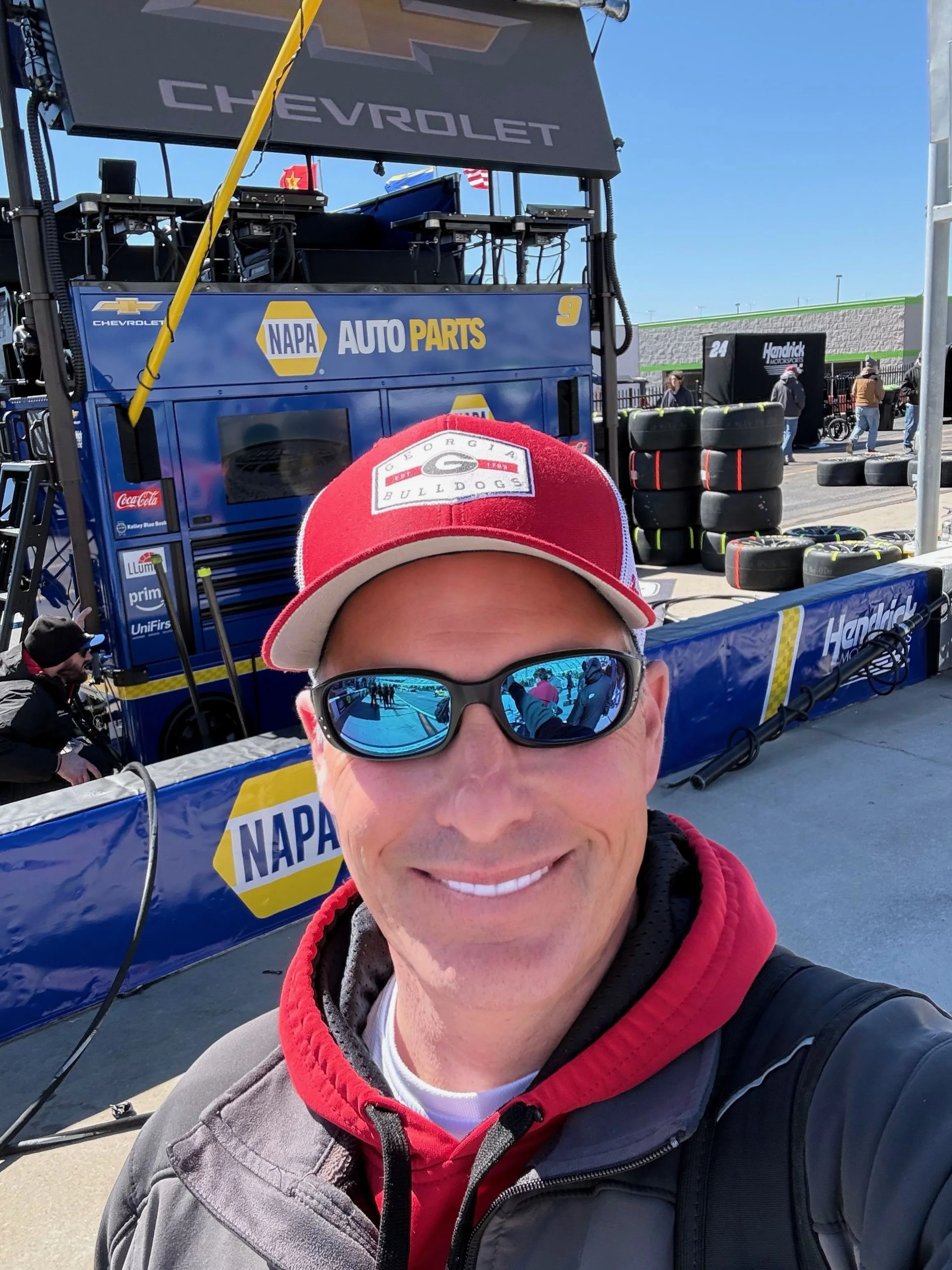
Chadwick Cagle Georgia
Chadwick Cagle of Fayetteville, Georgia spends his weekends on the water when he's not in his woodworking shop. South Georgia's lakes and rivers aren't the dramatic waterways you see in travel magazines. They're peaceful, accessible, and full of people who've been boating in these waters for decades. If you're thinking about getting into boating, you're not starting from scratch. You're just joining a community with decades of accumulated knowledge about how to do it right.
The appeal of South Georgia boating is understated. It's not about conquering rough seas or impressing people with a powerful boat. It's about having access to peaceful water, time to think, and the chance to be on the lake whenever you want. That accessibility makes it perfect for learning because you can develop skill gradually in conditions that don't demand constant adrenaline.
Pick Water You Can Actually Enjoy Instead of Water That Impresses People
The most common beginner mistake is renting or buying a boat that's built for somewhere else. Coastal boats designed for ocean conditions are overbuilt for Georgia's lakes. High-performance speedboats are wasted on waters where you're never more than a few miles from a dock. Chadwick Cagle's approach is different. He started with understanding the water he actually uses: relatively calm, well-mapped, with established launch facilities and a community of other boaters.
He picked a boat suited to that environment. It makes every trip better. You're not overpowered on water where you don't need power. You're not overgunned with equipment designed for conditions you don't encounter. You're matched to the actual situation. That's practical wisdom that applies to boating and most other things. Start with understanding what you actually need before you buy based on what impresses people.
A boat that's right for South Georgia lakes is a boat you can actually control. You can learn in it without being overwhelmed. You can maintain it without requiring specialized equipment. You can use it comfortably for the activities you actually want to do. That might sound obvious, but plenty of new boaters get seduced by specifications instead of thinking about actual use.
Weather Doesn't Wait for Perfect Conditions, So Learn to Read It
South Georgia weather changes fast. Clear morning can turn into afternoon storms. Wind that feels manageable at the dock feels entirely different five miles out. Cagle learned early that you don't need to be a meteorologist, but you do need to respect the water's mood. Before every trip, he checks weather patterns, understands wind direction and speed, and has a plan for where to go if conditions deteriorate.
Respecting the water means respecting that it doesn't care about your schedule. A beautiful morning at the dock can become a different story in an hour. Learning to read conditions comes from experience and from paying attention. How does the water look when conditions are stable? How does it look when wind is approaching? What does it feel like when you're heading toward weather? These lessons can't come from a book. They come from being on the water and paying attention.
Cagle has turned back from trips because conditions didn't feel right. That's not failure. That's experience recognizing danger and choosing differently. The water will still be there next week. Your life might not be if you bet wrong on weather.
Equipment Maintenance Is the Difference Between Fun and Failure
A boat is a machine. It needs regular servicing, seasonal preparation, and attention to details most beginners ignore. Cagle maintains his own equipment where possible and partners with reliable technicians for work beyond his skill level. He knows that a boat that breaks down mid-water is no longer recreation. It becomes a problem. Preventive maintenance transforms boating from "hope nothing goes wrong" into actual enjoyment.
Learning to perform basic maintenance is part of learning to boat. How the engine behaves when it's running right. What sounds normal. What oil looks like when it needs changing. How to check fuel system components. These aren't complex tasks, but they're important tasks. Skipping them doesn't save time. It just postpones problems until you're on the water in a situation where a problem becomes dangerous.
Chadwick Cagle approaches boat maintenance the same way he approaches aircraft maintenance: preventive, thorough, documented. That level of care makes the boat reliable and keeps it safe for years.
The Water Has Rules That Make Sense Once You Understand Why They Exist
Navigation laws, safety equipment requirements, and operating regulations might feel like bureaucracy until you understand what they prevent. A required life jacket isn't there to ruin your day. It's there because people have drowned in situations that felt safe until they weren't. Chadwick Cagle sees these rules as conversation between people who've learned hard lessons and people just starting out. Following them isn't restriction. It's respect for knowledge you haven't earned yet.
A rule about navigational lights exists because boats colliding in darkness have sunk. A requirement about fire extinguishers exists because boats have burned. A regulation about alcohol and boating exists because impaired operators have killed people. These aren't arbitrary restrictions. They're the accumulated wisdom of decades of boating safety.
Learning boating means learning to see regulations not as annoyances but as protection. The life jacket you resent wearing is the thing that saves you if something unexpected happens. The navigation lights you install are the thing that keeps another boat from hitting you in darkness. Rules exist for reasons, and respecting that reality is part of being a responsible operator.